Explore the Science of Ketamine-Assisted Psychotherapy
A visual learning center exploring what current research suggests about how ketamine affects the brain — and what remains uncertain. Each episode translates complex neuroscience into clear, patient-friendly concepts.
Featured Episode
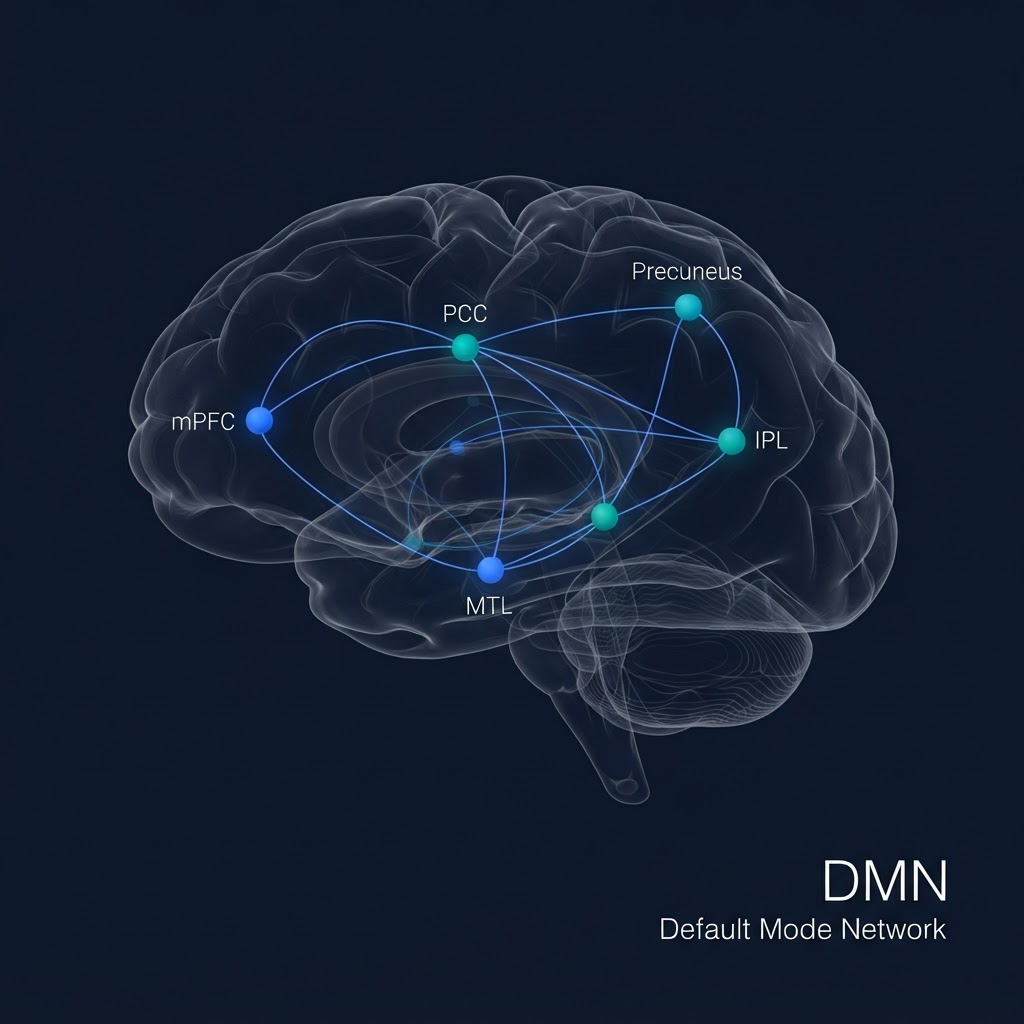
DMN Changes During Ketamine
Understanding the Default Mode Network
The Default Mode Network, or DMN, is a group of interacting brain regions involved in self-reflection, autobiographical memory, imagining the future, and our ongoing internal narrative. Research suggests that ketamine can temporarily alter communication within parts of this network. These changes may contribute to greater cognitive flexibility, but the relationship between brain-network changes and clinical improvement remains an active area of research.
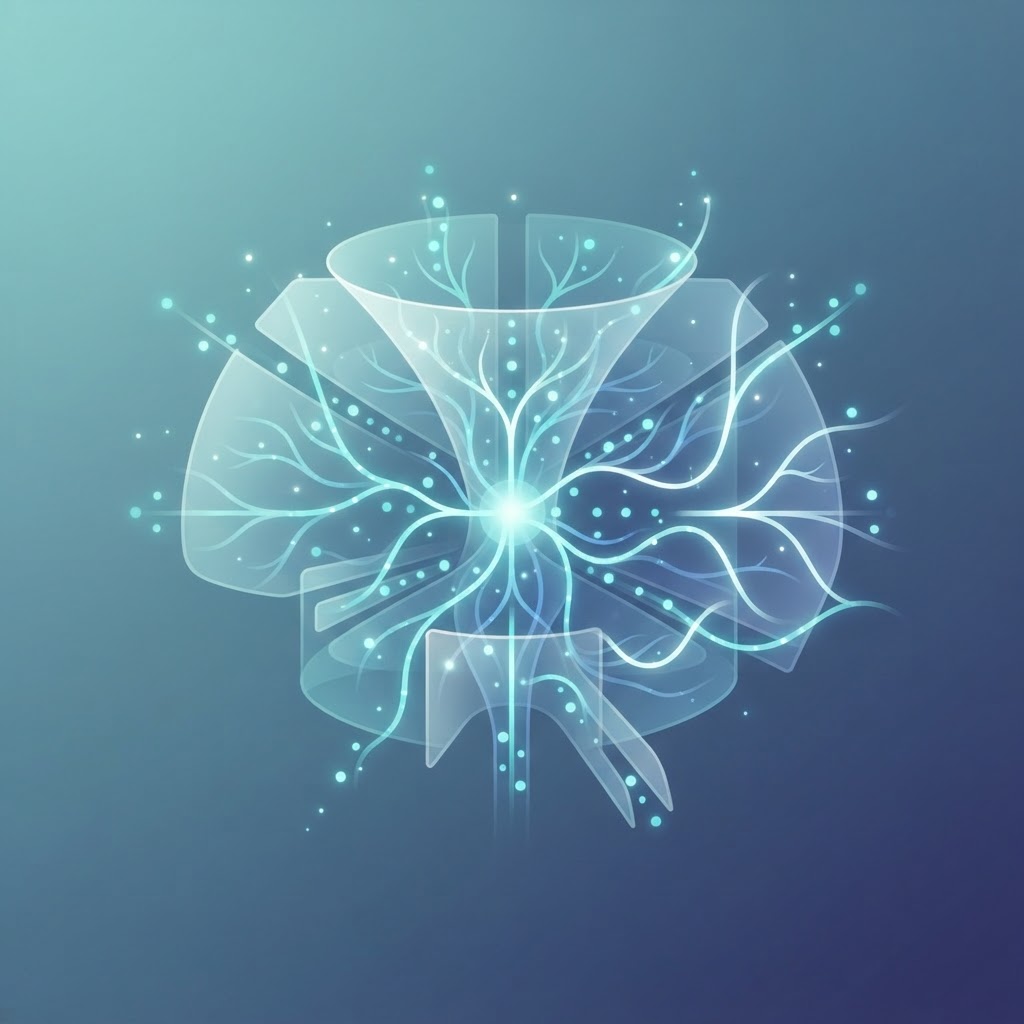
Predictive Processing and Flexible Beliefs
How the Brain Predicts, and How Ketamine May Loosen It
The brain is thought to be a prediction machine — it constantly generates expectations about what it will experience and updates them when reality surprises it. Research suggests ketamine may temporarily relax these tightly held predictions, opening a window in which new interpretations of experience become possible. This concept helps explain, in part, why some patients describe fresh perspectives or a sense of mental flexibility during and after treatment.
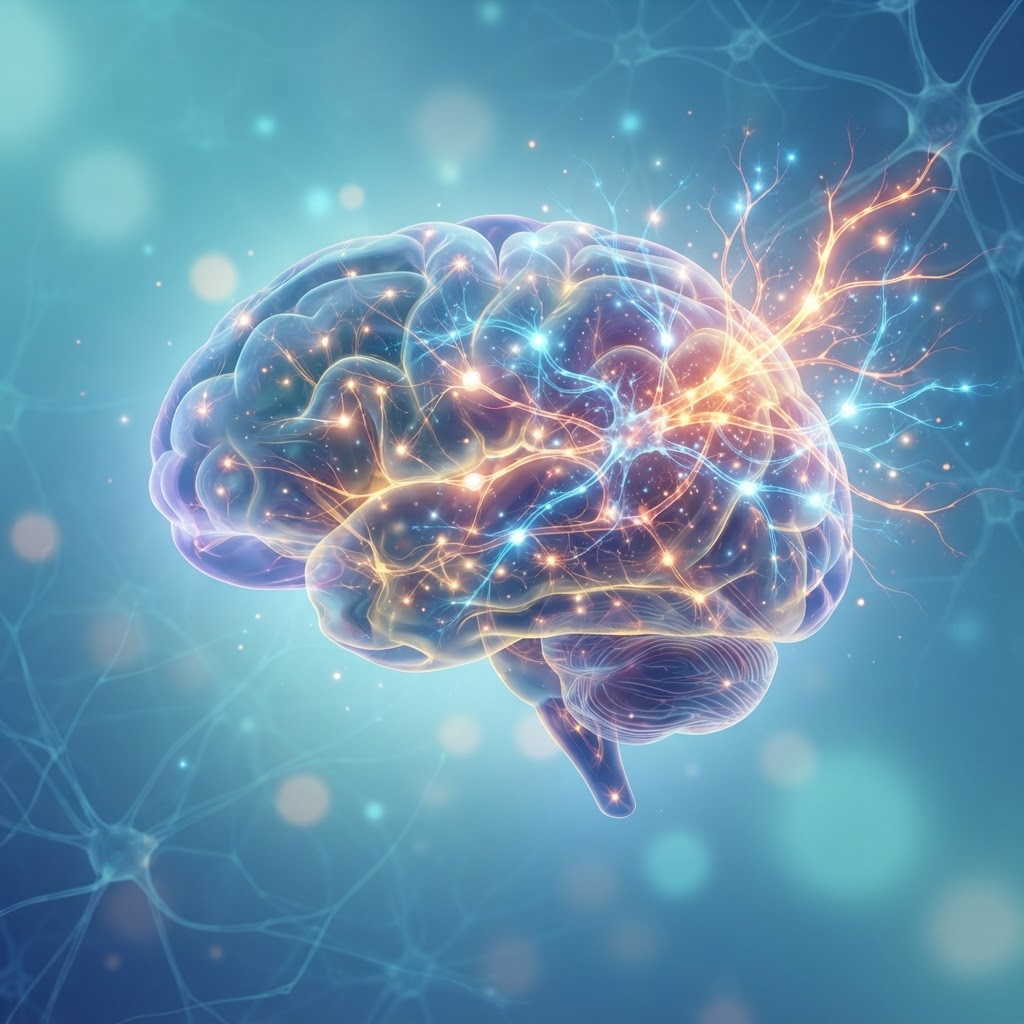
The Window of Neuroplasticity
A Temporary Period of Enhanced Receptivity
The period of enhanced synaptic plasticity after ketamine and how psychotherapy may engage it.
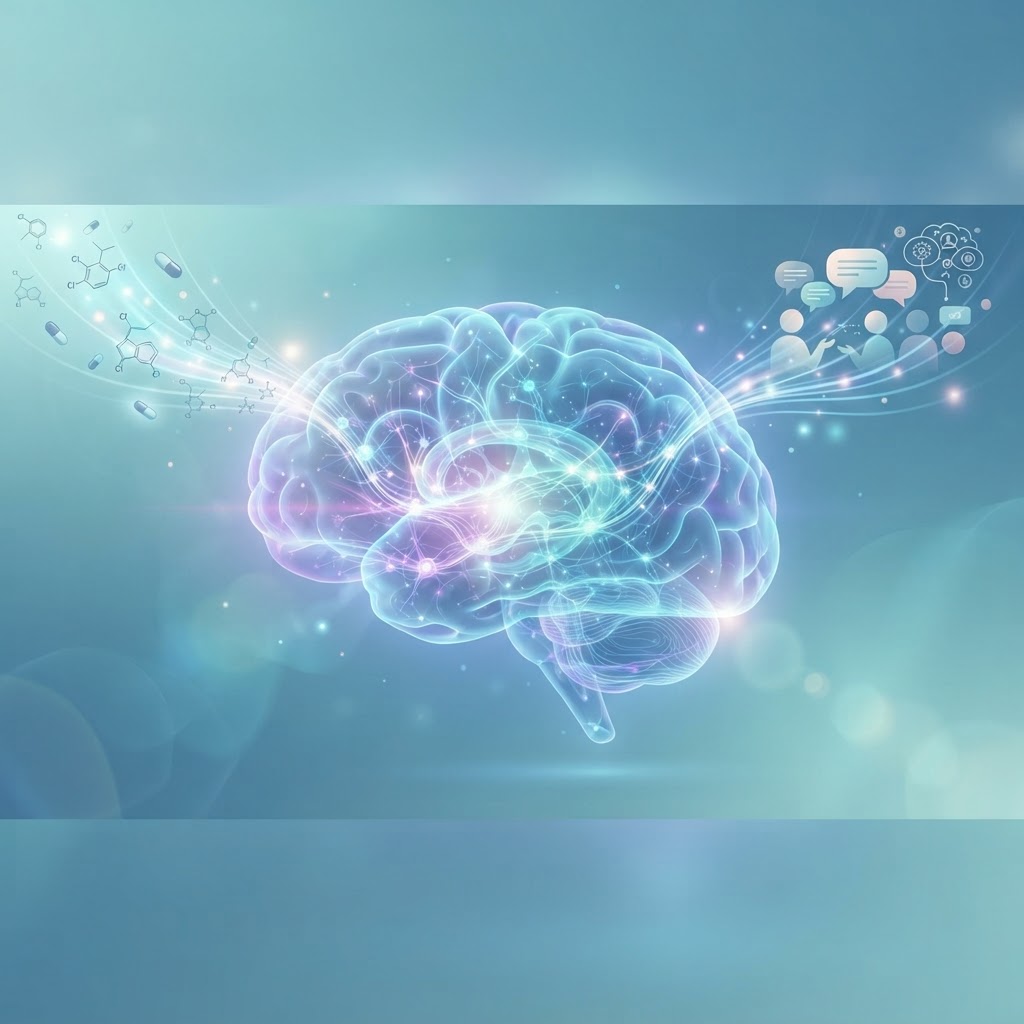
How Psychotherapy and Ketamine Work Together
The Rationale for Combining Medicine and Therapy
The rationale for combining pharmacological and psychological approaches in KAP.
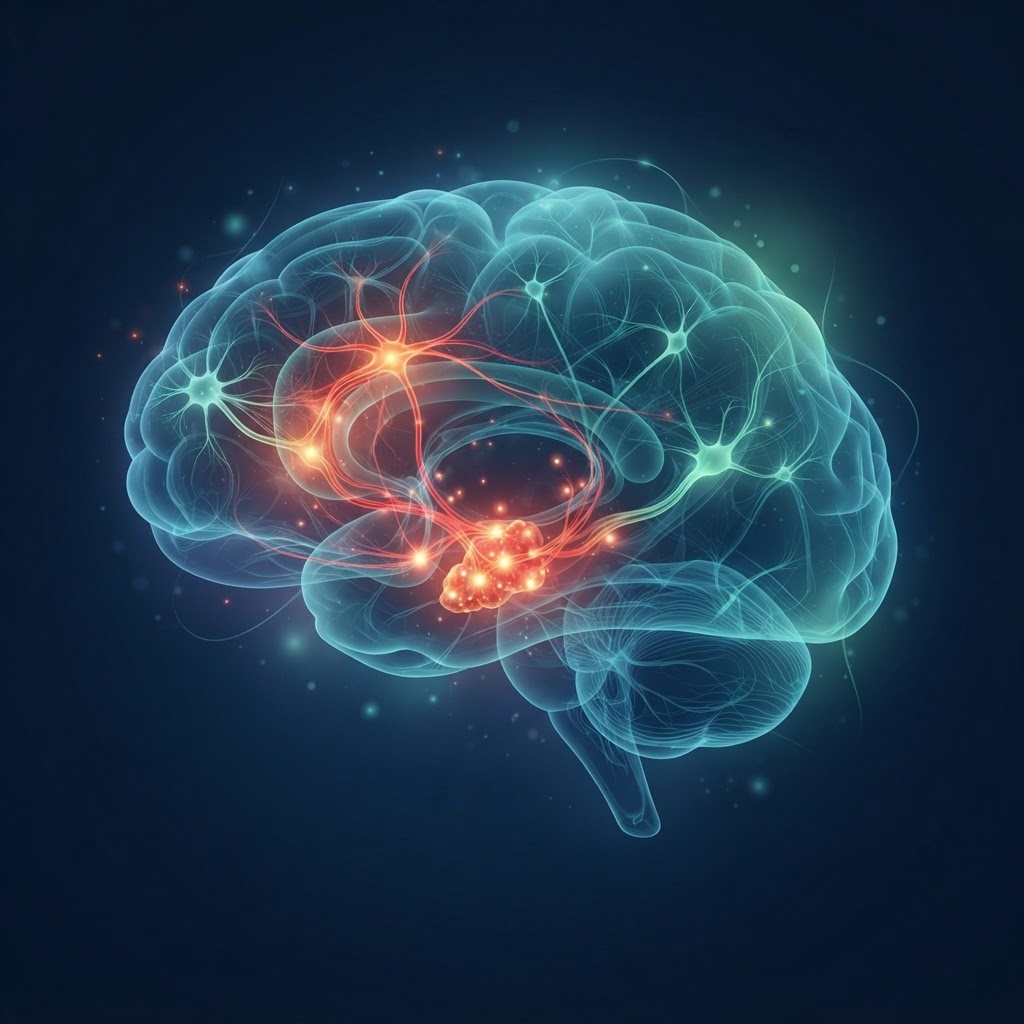
Stress Networks: From Threat Toward Safety
How Ketamine May Affect Amygdala and Salience Networks
The brain constantly evaluates whether a situation is safe or threatening. Networks involving the amygdala and the salience network help assign emotional significance to experiences and guide attention toward what matters most. Research suggests ketamine may modulate activity in these circuits, potentially softening the intensity of threat responses and creating space for new learning about safety. How these network changes translate into clinical improvement — especially for trauma and anxiety — remains an active area of investigation.
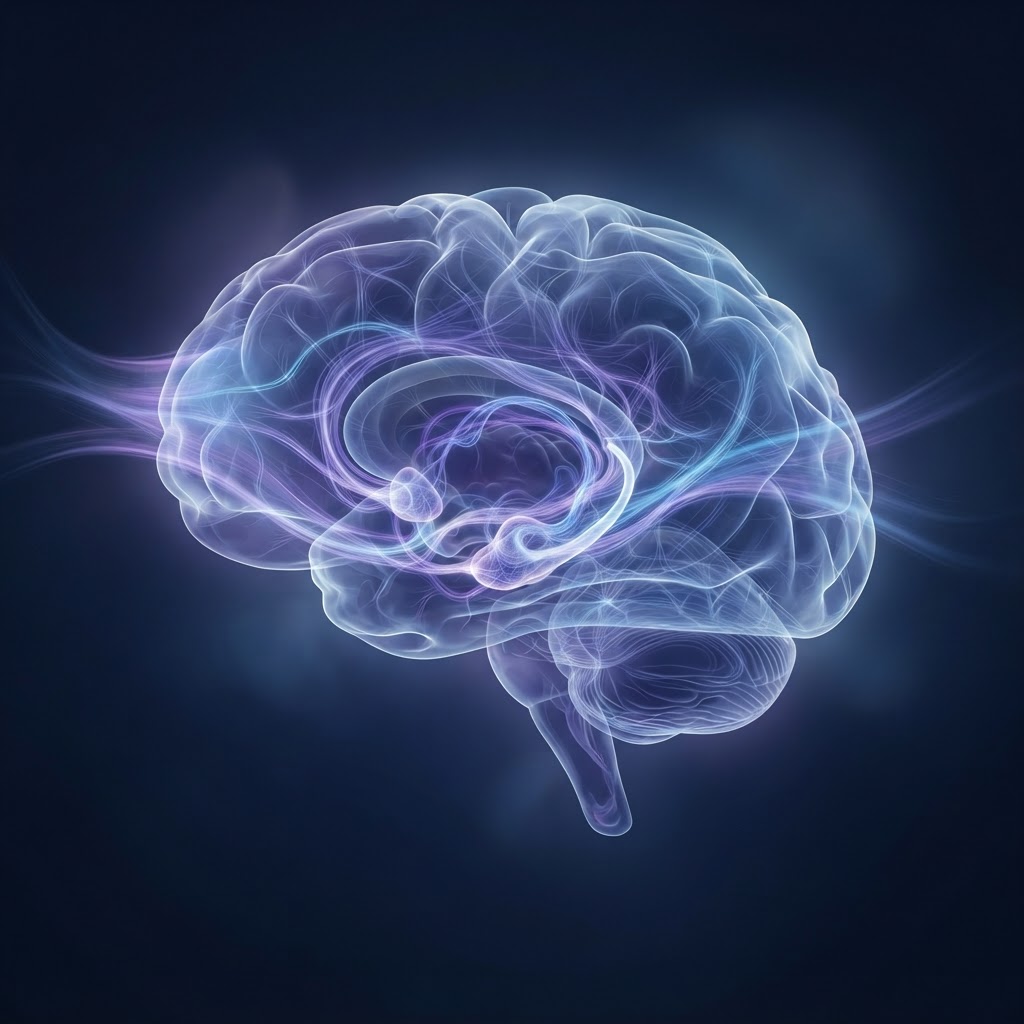
Trauma Networks and Emotional Learning
Fear Memory Reconsolidation and Emotional Processing
Trauma can leave the brain treating certain memories and cues as if they remain present threats. Research suggests ketamine may influence the processes by which fear memories are stored, reactivated, and updated — potentially supporting emotional learning during and after treatment. The concept of memory reconsolidation offers a framework for understanding how rigid emotional responses might become more flexible. Whether ketamine meaningfully supports reconsolidation-based therapeutic work in clinical settings remains an open question.
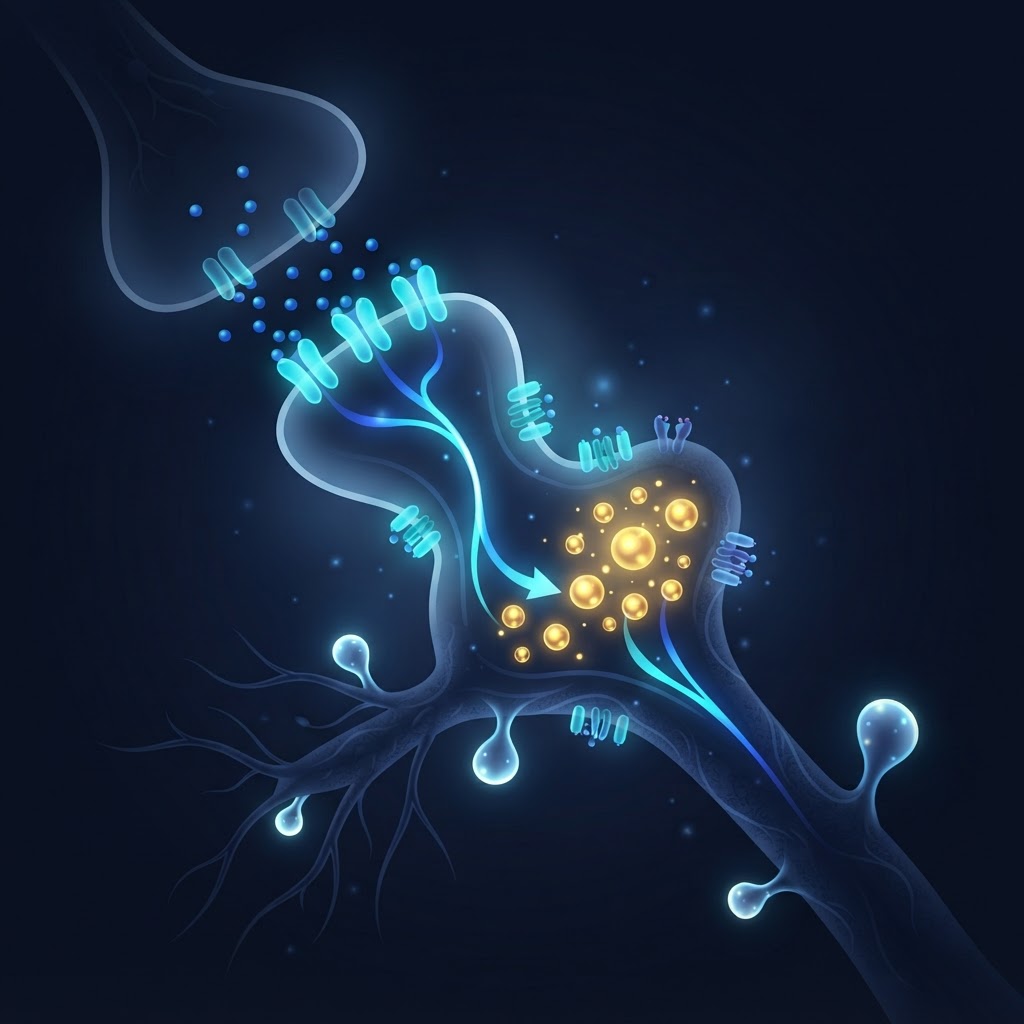
Glutamate → AMPA → BDNF: A Conceptual Pathway
The Molecular Cascade Behind Ketamine's Plasticity-Promoting Effects
Researchers have proposed a simplified molecular pathway to help explain how a single ketamine dose may rapidly promote neural plasticity. In this model, ketamine blocks NMDA receptors, shifting glutamate signaling in a way that boosts AMPA receptor activity. This is thought to trigger the release of BDNF — a growth factor that supports the growth and strengthening of synaptic connections. This cascade is one of several frameworks scientists use to understand ketamine's effects; it is conceptual and simplified, not a complete picture.
Upcoming Topics
These episodes are in preparation. They will be published as content is developed and reviewed.
About this library
The Visual Neuroscience Library presents simplified, conceptual explanations of complex neuroscience for educational purposes. Diagrams and illustrations are not direct representations of individual patient data. Research on ketamine's effects on brain networks is active and evolving. Nothing here should be interpreted as medical advice, a treatment recommendation, or a guarantee of outcome. A KAP orientation call is informational and not a psychiatric evaluation; if you wish to continue, you may receive a secure portal invitation for intake, which a clinician reviews before any formal evaluation.
Have questions about whether KAP is right for you?
A free 15–20 minute KAP orientation call is the first step to learn about the service and next steps.
Book Free KAP Orientation